Powell River Top General Contractor for Reliable Building Solutions
General Contractor: Your Leading Professional for Home Work
A general contractor holds an indispensable position in building projects. They manage numerous facets of building operations, ensuring that all work proceeds smoothly. Their expertise of building codes and standards allows them to address the challenges of permits and inspections. This expert serves as an critical link between homeowners and trade contractors. However, many homeowners feel unsure about the full scope of their services. Understanding these points can greatly impact the success of any home renovation project.
What Does a General Contractor Do?
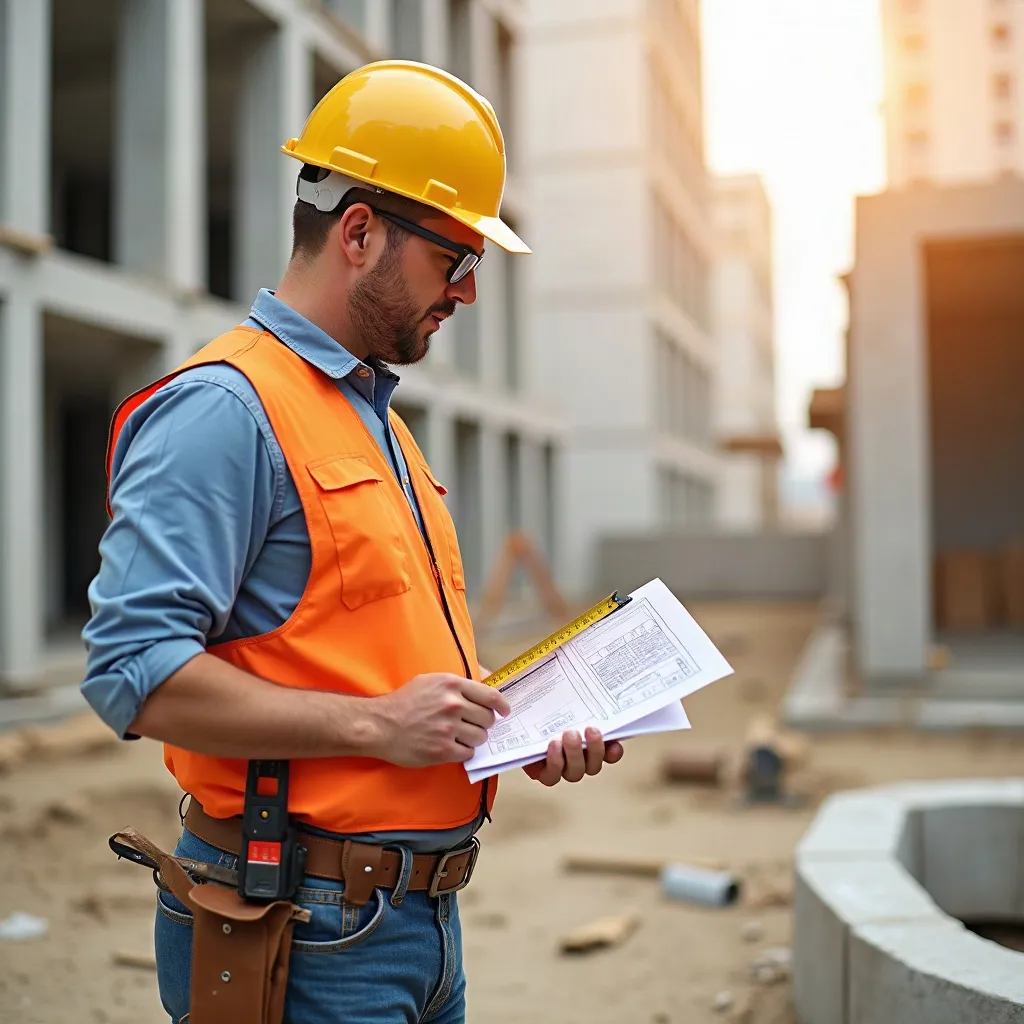
A general contractor manages the multiple aspects of a building project, ensuring that operations proceed without interruption from start to finish. They serve as the primary point of contact, handling communication between project owners, trade contractors, and suppliers. This responsibility encompasses planning the project timeline, supervising crew members, and verifying conformity with local building codes and regulations.
General contractors are responsible for acquiring required licenses and arranging inspections, which are vital for maintaining safety and quality standards. They also handle budgeting, sourcing materials, and managing on-site activities to mitigate any potential delays or issues. In addition, they oversee subcontractors, making sure that each phase of construction conforms to project specifications and timelines. Overall, a general contractor's expertise and organizational skills are crucial for delivering a successful construction project, transforming a client's vision into reality while managing multiple duties and obligations.
Advantages of Working with a General Contractor for Home Renovations
Contracting a professional builder for residential upgrades delivers numerous advantages that can greatly boost the efficiency and quality of the work. General contractors offer expertise in managing projects, making sure that timelines are met and funds are distributed effectively. Their strong relationships with subcontractors can lead to superior pricing and superior workmanship, which finally benefits homeowners regarding both cost and time.
Also, building managers handle the intricate details of permits and inspections, curtailing prospective legal complications. They also furnish a sole representative, simplifying correspondence and cooperation among various trades. This integration mitigates the likelihood of misunderstandings and delays.
Additionally, their expertise allows them to anticipate potential challenges, permitting proactive solutions to stay on track the project on schedule. By hiring a general contractor, homeowners can concentrate on their vision while enjoying peace of mind, assured that a professional is handling every aspect of the renovation.
Debunking Myths About Construction Contractors
Although many homeowners may have misunderstandings about general contractors, grasping the facts can lead to more informed decisions. A common myth is that hiring a general contractor is unnecessary for small projects; still, their proficiency can ease even small-scale renovations, ensuring conformance with local codes. Another typical belief is that contractors are just middlemen, but they often have extensive knowledge in different fields, allowing them to direct projects smoothly. Moreover, some clients assume that working with a contractor will greatly raise costs. In reality, a experienced general contractor can often obtain better pricing for materials and labor through established relationships with vendors and subcontractors. Lastly, many think that contractors are unbending, but reliable contractors focus on client communication and work closely to satisfy particular needs. Dispelling myths can empower clients to harness the actual value of general contractors when completing positive home projects.
Finding the Ideal General Contractor?
How can property owners ensure they select the best construction professional for their assignments? The process starts with thorough research. Property owners should obtain recommendations from friends, family, or online reviews to find potential candidates. Once a list is created, confirming credentials, such as licensing, insurance, and bonding, is essential to verify legitimacy.
Next, homeowners should request and review samples of previous work, focusing on projects similar in scope. Setting up interviews allows clients to determine suitability, discussing deadlines, finances, and goals. It's also advisable to gather multiple bids for comparison, providing a transparent view of pricing.
Reviewing references offers understanding of a contractor's reliability and professionalism. Ultimately, relying on your gut feeling is essential; an initial meeting can expose a contractor's communication style and approach. By adhering to these guidelines, homeowners can substantially improve their chances of selecting a general contractor who matches their project needs and vision.
Effective Dialogue Strategies For Your General Contractor
How can homeowners apply techniques to guarantee clear interaction with their general contractor? Initiating direct engagement from the beginning is vital. Homeowners must explicitly state their expectations, project aims, and budget constraints during preliminary talks. Consistent information can be enabled through organized conferences, ensuring that both parties stay synchronized throughout the project.
Leveraging written documentation, like email exchanges and project logs, reinforces verbal agreements and reduces misunderstandings. Homeowners should equally encourage transparent communication by soliciting responses and inquiries from the contractor, fostering a cooperative environment.
Additionally, harnessing modern solutions, like project management apps, can enhance information sharing by delivering a consolidated hub for posting updates, timelines, and changes. Finally, displaying consideration and approachability can boost rapport, enabling it easier for the contractor to share challenges or suggestions in an effective manner. By adopting these strategies, homeowners can build a collaborative and candid relationship with their general contractor.
What You'll Know When Your Initiative Starts?
As the project launches, homeowners can anticipate a flurry of activity on-site. The general contractor will organize groups of experienced professionals, such as electricians, plumbers, and carpenters, who will start their tasks according to the established timeline. Homeowners may observe heavy machinery and materials being brought in, generating a lively environment.
Clear dialogue is vital during this stage. The contractor will communicate progress updates and handle any concerns that arise. Homeowners should prepare for potential interruptions, such as noise and restricted entry to various areas of the home.
Safety precautions will be in place to protect both workers and residents, ensuring a secure atmosphere. Additionally, homeowners may be encouraged to keep flexibility, as unanticipated challenges can arise, demanding adjustments to the original plan. Overall, this initial phase establishes the foundation for the successful completion of the project, and active engagement is essential.
Key Topics for Your General Contractor Arrangement?
Identifying the correct questions to ask when concluding a general contractor agreement is vital for guaranteeing a smooth project. Homeowners should inquire about the contractor's permit and coverage to verify their credentials and protection against losses. Understanding the project timetable and milestones is important; therefore, asking about estimated completion dates helps manage expectations.
It is also crucial to establish financial agreements, such as deposit amounts and payment schedules, to prevent misunderstandings. Property owners should request a detailed breakdown of expenses, including materials and labor, to guarantee transparency. Additionally, addressing the procedure for managing modifications or unforeseen issues can prevent conflicts later on.
Lastly, property owners must inquire into the qualifications of subcontractors, as well as the communication approach of the contractor throughout the project. By addressing these questions, homeowners can establish a strong working relationship with their general contractor, ultimately leading to a successful home project.
Popular Questions Posed Often
In What Manner Do General Contractors Charge for Their Work?
Contractors generally levy charges via flat fees, hourly pricing, or a percentage of the total project cost. Their rates may additionally encompass resources, workforce costs, and overhead, contingent on the project's complexity and scope.
Can a General Contractor Assist With Permits and Evaluations?
Yes, a construction professional can help with securing permits and overseeing inspections. They typically navigate local codes and guarantee compliance, simplifying the workflow for homeowners while facilitating necessary authorizations throughout the building project.
What Attributes Should I Identify in a General Contractor?
When selecting a general contractor, one should consider qualifications such as licensing, insurance, track record with matching projects, strong references, and excellent communication competencies, ensuring they exhibit the requisite proficiency to manage the project successfully.
What is the Timeline of a Average Home Renovation Project?
A typical home renovation project can discover now take anywhere from a few weeks to several months, based on the scope, complexity, and size of the project, as well as the accessibility of materials and labor.
What Happens if My Assignment Overshoots Cost Allowance?
If a project goes over budget, the contractor usually talks through the causes and alternatives with the homeowner. Adjustments may include reducing scope, seeking additional funding, or modifying the project parameters to align with budget constraints.